Tuesday, February 14, 2017

Simple, elegant theater that we recently installed in Rivervale NJ.

It includes a full suite of Monitor Audio Silver series speakers and a 4k e-shift projector from JVC. It's also prewired for 7.2 and Dolby Atmos surround sound to keep it current with the latest technology. Ample acoustic treatments make this dedicated theater one of the nicest sounding rooms we have built in the past year. The speakers are easily capable of providing professional theater quality sound and will last for years if not decades. The client is thrilled.

Image may contain: screen

Sunday, December 18, 2016

Simple Excitement

We just installed this simple yet very well performing theater in an existing basement in Blauvelt, NY. It features a 75" SUHD video display by Samsung, a Dolby Atmos sound system by Denon and an AppleTV for streaming content and family slide shows. Weekend sports programming just got a huge upgrade and the grand kids are thrilled!


Tuesday, November 11, 2014

Exploring 4K: Does Color Trump Resolution?


I rarely post such technical commentary but this is an excellent explanation of why its premature to buy a 4K television.

Video expert Joel Silver explains why 4K is a piece of the puzzle, but not the next-generation standard bearer for high-performance video.

By Robert Archer, November 11, 2014

Ever since the failure of 3D as a long-term movie and TV sales driver, both Hollywood and the consumer electronics industries have determined that 4K, or Ultra HD, provides the best opportunity to drive video product sales.


Since both industries began to focus on 4K, momentum for the format has been steadily gaining steam. Highlighting that momentum was the buzz it generated at two of the biggest tradeshows of the year — CES and InfoComm.


Both events featured a number of 4K products and the interest for the format on each respective show floor was noteworthy.


Taking a step back from all of the 4K enthusiasm is Joel Silver, president of the Imaging Science Foundation (ISF) and one of the A/V industry’s preeminent video experts. For well over a year, Silver has been cautioning installers that there are other fundamentals in place that should take a higher priority than resolution.
4K Part of the Larger Picture


Silver is excited for the future of video and the performance potential that exists with some of the upcoming initiatives the professional and consumer markets are working on, but he points out that 4K alone won’t push video standards into breaking new ground.


“Having 4K is one part of UHD and [next-generation, high-performance video], but it is not the most important part and people don’t get that,” says Silver. “It is part of the roadmap, and there are two flavors of 4K, which is exciting, but there is a committee looking at HDR [high dynamic range].”


The reason why HDR is so important for the next generation of video quality, Silver says, is the public has lived with the same temporal resolution since 1939. In the near future he notes — around 2017, 2018 — advances in color gamut will really drive innovation.


“Going from 2K to 4K is an improvement, but it is not revolutionary,” he admits. “But the new colors, that is something. There is a lack of understanding concerning the rollout of 4K. I would much rather have a dynamic 2K HDTV than more pixels. Something with great blacks or great HDR, that is more impactful. Resolution is only apparent when you are close.”


Underscoring what is happening in the video world, Silver emphasizes that 4K is just the first part of a new system. “Frankly [4K] is the least impressive part of the roll-out,” he boasts.
Color Space Advances Key to Quality


According to Silver, the underpublicized part of the impending video industry’s format updates is the expanded color gamut that could become a part of their final specification.


“The 2020 color space (the International Telecommunications Union Radio Communications ITU-R BT.2020 recommendation) is going to be great for laser color space, but it will be difficult for older TVs.”


Flat-panel TVs will be expensive,” he continues. “The broadcast space already uses [the spec]. I have a 17-inch HP laptop that was part of a venture with DreamWorks and it includes Rec 709 capabilities and the Adobe Color Space that is much better than HD. The laptop also does DCI (Digital Cinema Initiatives).”


“I can in a two-minute demo show pictures in three different color spaces. Improvements in color gamut are instantaneously superior to the average viewer. Showing Adobe Color Space over Rec 709 is noticeable. Glancing at 4K, the average person doesn’t see [a noticeable difference] because it is just resolution.”


Joining manufacturers that include Digital Projection (DPI) and Sony in their enthusiasm for laser-based projectors, Silver says these products along with LED solutions will be able to deliver the color gamut capabilities that are a part of the next-generation formats.


“The Ultra HD format will bring us all of that,” he notes. “It will deliver a much better image because dynamic range is more important.”
Quality Begins With Basics


The impending video formats may offer wider color gamuts and more resolution, but just like current industry standards, their respective performance is based on the same fundamentals as current-generation formats.


Both HD and Ultra HD/4K require proper black level and contrast setups before moving onto color and resolution calibrations


“Contrast is the most important parameter,” emphasizes Silver. “If you don’t have good blacks and whites, you won’t have a good image. Some of the great engineering minds from Philips, Dolby, the BBC (British Broadcasting Corporation) and Technicolor look closely at contrast.”


Explaining further, Silver says those in the video industry, including the International Telecommunications Union (ITU), are examining ways to develop “smart” dimming where the content “directs” displays to dim.


“The question is, can they monetize the technology to include it in video displays?” he says. “Contrast remains the single most important feature in evaluating a TV.”


Backing up his statements on contrast ratio, Silver says dealers need to examine the CEA/CEDIA-CEB23-A: Home Theater Video Design specification that was updated back in 2012, which defines criteria for home theater setup and performance. It’s a good place to start when thinking about commercial installations, too.


Silver, who was a part of the expert panel that created the jointly developed the guidelines, points out the 150:1 contrast ratio checker-board pattern in CEB-23-A is unattainable for most systems, including commercial systems.


“What I aspire to when I work with home theater builders is that 150:1 contrast ratio. It is only really possible with a well-engineered room and system,” he says. “If a room has white walls, it doesn’t matter how good the screen and projector are [it won’t perform to the guidelines].”


Summing up what dealers should concentrate on as the market continues to evolve, Silver is succinct. His advice applies to designing and setting up virtually any type of flat-panel or projection system.


“Contrast is number one, secondly color saturation, and the third thing is color accuracy. The fourth thing is resolution, but it is nowhere as important as the other three items,” Silver emphasizes. “The first thing dealers should do with when presenting to clients is talk about good TVs before getting to 4K.”


“Dealers need to consider performance parameters and ask themselves when evaluating TVs, are the blacks and whites really good? Does the TV’s dynamic range give you the punch you are looking for? Can it deliver the [brightness] spec for theaters [14.4-foot lamberts (fL)]? TVs like Sharp’s Elite put out more than 20fLs. So dealers need to ask the clients if they want a good TV before they talk about 4K … I don’t worry about the market at all. The market speaks for itself, and that is why the $1,000 4K TVs aren’t doing well in the market.”


What is Adobe RGB?


Adobe RGB is a standard that was first introduced in 1998 to coincide with Adobe’s launch of its Photoshop 5.0 program. Adobe says the color space adheres to International Color Consortium (ICC) guidelines.


According to Adobe, as part of an ICC-based color management system, color profiles are created for devices so colors in an image can be modified throughout the workflow process to compensate for any differences between devices.


Adobe includes its ICC profile, called the Adobe RGB color space, in all of its color managed software tools. Highlighting some of Adobe’s RGB specifications are these calibration points of interest (based on CIE Standards):


Reference White Point (CIE, 1931):
X=0.3127/Y=0.3290
Luminance level of white displayed should be 160.00 cd/m2


Chromaticity Coordinates (CIE, 1931):
Red: X=0.6400/Y=0.3300
Green: X=0.2100/Y=0.7100
Blue: X=0.1500/Y=0.0600
Outlining ITU-R BT.2020 Picture Characteristics


Back in August 2012, the International Telecommunications Union (ITU) Radio Communications Sector issued its rec-ommendations for the reproduction of Ultra HD content. The initiative is called ITU-R Recommendation BT.2020 (also called Rec. 2020 or simply BT.2020) and it outlines broadcast for the delivery of au-dio and video, frequency management, and time signals and frequency standard omissions.


Arguably the most important compo-nents of the ITU’s recommendation from the installer perspective are the picture spatial and picture temporal characteris-tics, as well as the trade group’s recom-mendation for system colorimetry.


Here are some of the ITU-R’s recom-mendations from its BT.2020 technology outline:


Picture Spatial Characteristics
Picture Aspect Ratio: 16:9
Pixel Count Horizontal x Vertical: 7,680 x 4,320/3,840 x 2,160
Pixel Aspect Ratio: 1:1 (Square Pixels)
Pixel Addressing: Pixel ordering in each row is from left to right, and rows are ordered from top to bottom


Picture Temporal Characteristics
Frame Frequency in Hertz (Hz): 120, 60, 60/1.001, 50, 30, 30/1.001, 25, 24, 24/1.001
Scan Mode: Progressive
Chromaticity Coordinates (CIE, 1931)
Red Primary: X 0.708/Y 0.292
Green Primary: X 0.170/Y 0.797
Blue Primary: X 0.131/Y 0.046
Reference White (D65): X 0.3127/Y 0.329

Saturday, August 2, 2014

The Right Way to Customize Keypads


This post comes to us from Lisa Montgomery, Senior Editor at Electronic House and freelance home technology writer.

Being able to press one button to control multiple devices is one of the most appealing features of home automation. Creating these one-button “scenes” requires programming of the keypad’s companion home automation system, which is a fairly simple task for a trained custom electronics (CE) professional. Surprisingly, what’s often the most challenging part of a keypad design is deciding what to name each button.

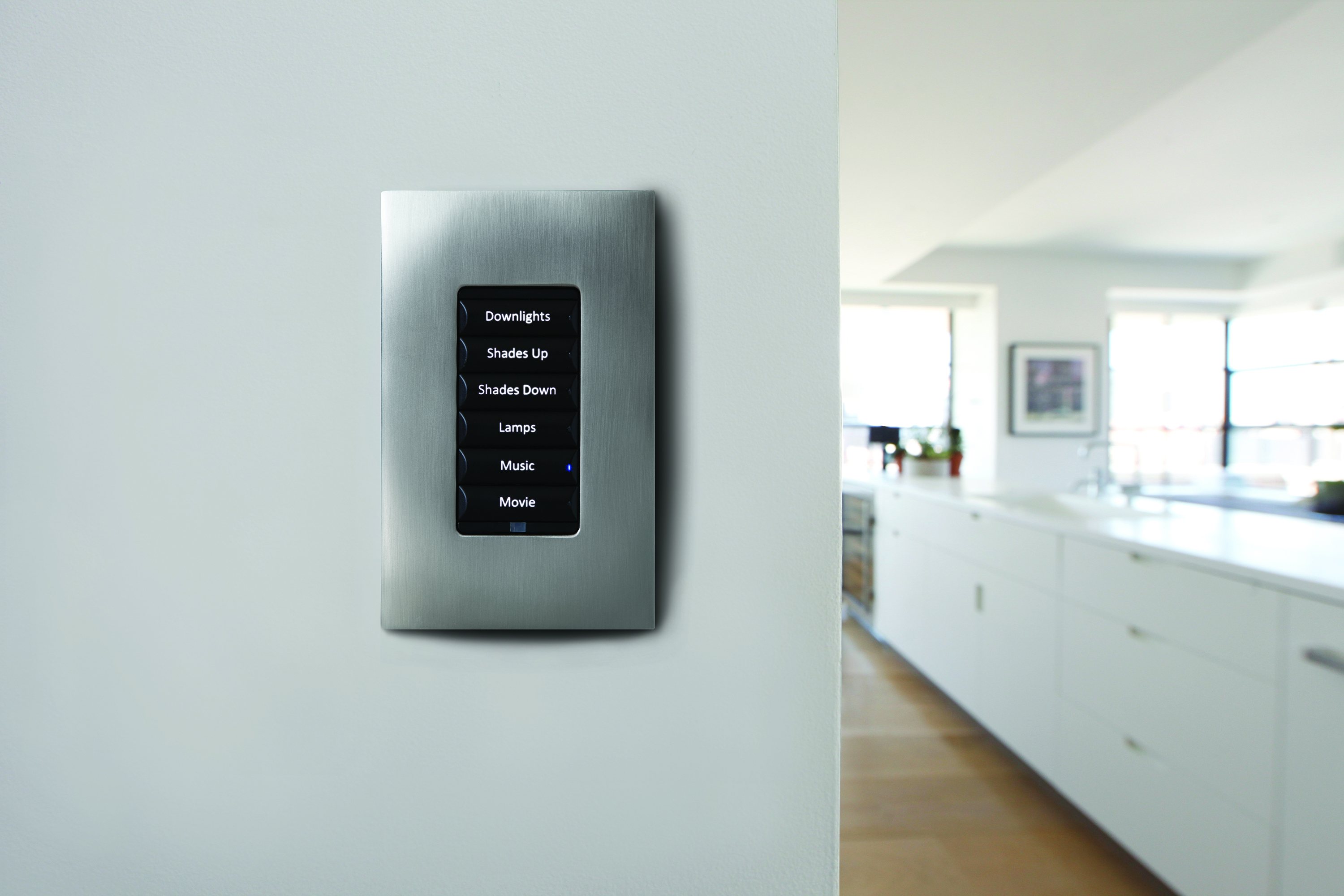
Keypad buttons should be labeled in a way that makes sense to all members of the household and that best reflects the family’s personality. This can be difficult to determine right off the bat, which is why many CE pros recommend leaving the buttons blank—at least for a while. Engraving keypad buttons costs money, so why not wait until you’re absolutely sure what to inscribe before laying down the cash? Why not live with the system and the settings for a few weeks or even a month or two? You might find that the setting you thought you’d call “Morning” makes more sense as “Breakfast,” or that you’d actually like to add a few completely new scenes and buttons to the setup. Or, perhaps there are buttons that you never even touched during this introductory period. There’s no harm in this, as the only thing wasted are the cheat sheets your CE pro taped to the wall by the keypads to help you remember the function of each button.

As you begin to nail down what you like, what you don’t and what you’d change, take notes. Try out these new settings and labels for a bit, and when you’re absolutely certain, have them beautifully engraved. It’s a great way to personalize your automation system and mold it into something that’s uniquely yours. And don’t fret if a year later you’re ready for a change. Buttons can be popped off and replaced for newly engraved pieces.

Remote Monitoring: Peace of Mind on Your Next Vacation


This post comes to us from Lisa Montgomery, Senior Editor at Electronic House and freelance home technology writer.

You’ve hit the road with the family for the annual summer vacation. You can’t help but feel apprehensive about the well-being of your house and property while you’re away. Thanks to innovative home technology, your worries can be over. Equipped with Internet-friendly surveillance cameras and a control system, your house can keep you apprised of everything from a busted pipe in the basement and trespassers in the backyard, to the status of the thermostats and light switches. All you need with you is your smartphone with a WiFi or 3G/4G connection, and you can monitor and manage your home from miles away as easily as if you were there.

An automation system and surveillance cameras can be set up to alert you to certain conditions via a text or email message. From your phone you can log into the system to confirm the validity of the alert, and better yet, respond appropriately to it. For example, if your system has texted “Motion at the front door,” you can access the outdoor surveillance camera and view the front door remotely on the screen of your touch screen. If you see that it’s a friend who has stopped by to pick up your mail, you can unlock the door to let him/her in, then lock it back up after they leave. Should you see the weather back home has become outrageously hot and dry, you can tap into your home control system remotely to adjust the thermostats to protect the plants and activate the sprinkler system to keep the grass healthy and green during your absence.

With remote access to the electronic systems in your house, you’ll have the peace of mind to truly relax during your well-deserved vacation. So grab a towel, sunscreen and your smartphone and hit the beach. Your automation system and linked-in surveillance cameras have everything under control back home.

Check out how this killer vacation pad in Bal Harbour, Florida, is outfitted with home technology to allow the owner to check in, at any time, from his primary residence in France: The French Connection

WTF Just Happened: My New HDTV Makes Movies Look Unnaturally Smooth


This post brought to you by Jim Merithew/WIRED

You just bought a brand-new TV, but instead of being blown away by the picture you’re starting to think it actually makes everything look worse. Well, maybe worseis the wrong word. Unnaturally smooth is more like it. Movies don’t look like movies; they look like they were shot on a camcorder. Why is your TV fixing what ain’t broke?

This annoying little phenomenon is commonly referred to as the “soap opera effect,” and it’s a byproduct of your TV’s motion-enhancing features. Thankfully, the effect can be turned off, and that’s probably a good idea when you’re watching movies. While these smoothing features can make a few things look better—scrolling tickers, sports, and HDTV test discs, for example—our eyes and brains expect something very different when we’re watching movies. A slower frame rate is one of them.

Nearly every motion picture since the dawn of talkies has been shot at a frame rate of 24fps (24p), a standard that has survived the film-to-digital transition. Many TV shows are shot at 24fps nowadays. But that 24fps rate is at odds with the way TV stations broadcast content and the way TVs display that content. Right off the bat, 24p film or video has to be modified a bit to display properly when it’s broadcast.

For broadcast TV, video is delivered to your set at a rate of 60 “fields” per second. One field can represent an interlaced mash-up of two frames so that motion appears more fluid. Until recently, all TVs had a standard refresh rate of 60Hz to match up perfectly with the rate at which that stream feeds into your set. But newer LCD/LED sets often advertise a 120Hz or 240Hz refresh rate to help combat motion blur (more on that in a bit).

With 24p content, the film has to be scanned or the digital video has to be modified to look right on TV. That’s because 24 frames don’t fit evenly into those 60 fields. With 30p content, the frames can be interlaced to create a 60i stream or displayed twice each to achieve the 60-fields-per-second rate. But if 24fps content were played at 30fps, the on-screen motion would appear 25 percent faster—and if the audio kept pace, everyone would sound like a helium addict. If frames were dropped to 20fps, which fits more nicely into 60, the video would look too choppy. So instead, every four frames of 24p source content is turned into five frames using a process called 2:3 pulldown.

When this modified video is viewed on a TV, the content has been adjusted by creating two interlaced fields that combine adjacent frames in every five-field batch. It essentially turns 24p video into 30fps video, which is more compatible with the way TVs and broadcast systems work.

None of that is what causes the distracting too-smooth effect. However, it does mean that 24p content broadcast on TV already looks a bit different from what the director intended. What really takes it into soap-opera land is when a modern set’s motion-smoothing features are enabled.

If you bought a mid- to high-end LED/LCD TV in the last few years, it certainly has these features built in. I’m focusing on LED/LCD sets here, because plasma sets are all but dead and OLED sets are still rare. LED/LCD TVs often have these motion features due to the panel technology’s traditional problems with motion blur.

If your set is a 120Hz or 240Hz one, it adds faux frames to source content if motion-smoothing settings are turned on. The higher refresh rate means the panel can show many more new images per second—even if those images aren’t in the original content—in order to make everything look more smooth. These additional frames are completely made-up: There’s enough processing power in a modern TV to analyze successive frames, create fake “interpolated” frames that split the difference between them, and display them between real frames.

So let’s say you’re watching a movie on cable with all your TV’s motion-fanciness settings turned on. In this scenario, you’re watching a movie that started out at 24fps, was modified with hybrid frames to make it more broadcast-friendly, and is now at the point where there may be more fake frames than real frames in what you’re watching. Depending on your TV’s refresh rate and the frame rate of the source content, these motion features can add two to four times as many frames to the original video.

But just as a 120Hz or 240Hz TV can make movies look less like movies, it can also be the ultimate screen for watching 24p content as intended. If you’re watching a movie on Blu-ray, make sure your Blu-ray player is set to a 24p output mode and all those motion settings are turned off on your TV. This should make your TV show each frame of your 24p content 5 times per second on a 120Hz set or 10 times per second on a 240Hz TV. As for the other aesthetic qualities of watching movies on TV, using the set’s Movie mode, Cinema mode, Film mode, or THX mode (if your set has it) usually works best.

Wednesday, July 23, 2014

What is High Resolution Audio? Now There’s an Answer

New definitions should make shopping easier.

This post brought to you by Grant Clauser over at Electronic House magazine.

Audiophiles everywhere have been promoting and arguing the benefits of high resolution audio since they discovered that the CD version of The Wall sounded less like high school than the vinyl version they bought at a yard sale. Manufacturers have caught on, and now many are promoting their products’ ability to play high resolution audio. At the same time, a few music distributors are playing the audio elitist game by offering high res files of music.

While most people these days are satisfied with Pandora, Spotify and their iTunes downloads, the trend toward higher quality music sources is apparently growing so much that the music and electronics industries got together to slap a firm-ish definition on high resolution audio. In a nutshell, high resolution audio is anything better than low resolution audio, even if it’s only medium resolution.

Seriously though, high resolution audio files played on the right equipment can sound much better than the typical music download, and much better than a streaming source, but explaining the difference can be complicated.

This stereophonic meeting of the minds on this issue included the Digital Entertainment Group (which throws one of the most coveted parties at CES), Consumer Electronics Association (which throws CES), and The Recording Academy (which threw me out of the Grammys once). Also involved was Sony Music Entertainment, Universal Music Group and Warner Music Group.

The definition they came up with sounds pretty simple—high resolution audio is any audio that came from a better-than CD master. In their own words high res is “lossless audio that is capable of reproducing the full range of sound from recordings that have been mastered from better than CD quality music sources.”

To compliment that definition, the group also came up with a list of descriptors for different qualities of masters:

• MQ-P From a PCM master source 48 kHz/20 bit or higher; (typically 96/24 or 192/24 content)
• MQ-A From an analog master source
• MQ-C From a CD master source (44.1 kHz/16 bit content)
• MQ-D From a DSD/DSF master source (typically 2.8 or 5.6 MHz content)

The definition here may seem a bit broad and include a lot that some audiophiles may not consider quite high-resolution enough, but it’s a good starting point and meant to add to some clarity to a previously more-vague term.

Will there be a logo to go along with this definition, and will music studios and electronics manufacturers begin using these guidelines? It’s all voluntary, so maybe. “When properly implemented, we believe this agreement will be welcomed by our members and the music community, enhancing their ability to improve the music creative process,” said Neil Portnow, president/CEO of The Recording Academy

Dropcam in the Nest Smart Home Family, What’s Next?


With this acqusition, Google Gets Further into Home Automation

This post brought to you by Julie Jacobson over at Electronic House magazine.

I had the opportunity last week to serve on a panel discussion with Maxime Veron, director of product marketing for Nest, at an event sponsored by Harvard’s Joint Center for Housing Studies.

Nest Labs, acquired recently by Google for $3.2 billion, is spending $555 million to acquire Dropcam, maker of DIY cloud-enabled surveillance cameras.

I asked him about that “ZigBee radio” in the Nest thermostats that we discovered a couple of years ago.

He told me that, while the chip includes the same 802.15.4 radio used by ZigBee, in fact Nest is using something more like the low-power IP protocol 6LoWPAN with a proprietary layer called Nest Weave.

The technology allows communications among Nest devices even if the home network or Internet access is down.

So, for example, if the smoke/CO detector trips, then the HVAC system will shut down.

What Can Dropcam Add?

So now comes the question of Dropcam. What can the IP cameras add to the ecosystem? The products are sold for $150 and $200 with an optional $99 or $299/year service fee for cloud recording.

For those who subscribe to the cloud service, Dropcam offers some pretty sophisticated analytics that can, for example, distinguish pets from people or detect the opening and closing of doors.

It would not be a stretch for Dropcam to develop algorithms that detect smoke or fire before the warnings hit traditional detectors.

Of course, we could easily imagine that a Dropcam with Nest Weave could be triggered to record when the Nest Protect goes off.

More interestingly, the camera maker recently announced Dropcam Tabs, little sensors that can be affixed to doors, windows, washing machines (to detect the end of a cycle), valuables like computers and TVs, and anything else that moves.

Using Bluetooth Smart (Bluetooth Low Energy, or BLE), the sensors communicate with the camera to indicate activity or non-activity, and the information is relayed through the cloud (for users with the optional service) via email or text.

I’m guessing Nest will add Weave to Dropcam cameras and Tabs, further adding to its inter-communicating ecosystem.

Now, consider that Nest’s mission is to be the purveyor of the “conscious home,” as Veron noted during the JCHS panel discussion, then you can imagine what the camera and sensors can add to Nest.

The big problem today with the Nest thermostat and smoke detector is that they only provide a handful of “learning” points.

With Dropcam video analytics and Tabs sensors, Nest will be able to add multiple points for learning the habits of occupants and their property.

Surely some lighting controls are not far behind.

Let’s go one step further. As integrator Mark Seaton of Chicago-area Seaton sound suggests, Google could quite easily mesh Facebook with Dropcam analytics to indicate, for example, who is at the front door. Dropcam is not yet to the facial recognition stage, but surely will get there in time.

Three Strikes and You’re Out: Samsung Ending Plasma TVs


Will OLED and Ultra HD TVs make up for the loss of plasma?


This post brought to you by Grant Clauser over at Electronic House Magazine

Well, no one should be too surprised at this, but it appears Samsung is joining Panasonic (and Pioneer, Hitachi, Fujitsu, Runco…) as the latest HDTV manufacturer to call it quits on the plasma TV business. That leaves only LG.

As you probably remember, last year Panasonic, known at the time for making the industry’s best-performing television (the ZT60), pulled the plug on those plasma TVs to focus solely on LED LCD TVs. Samsung is now joining them,reports Reuters, which states the reason as “the decline in overall demand for plasma display panel televisions.”

This is something that continues to baffle people in the home theater business. Let’s make this clear—plasma TVs (mostly) produce better pictures than LCD TVs, even LED LCD TVs. There are some LEDs that come close, very close, but those have always been the most expensive models. Plasma looks better and cost less (check out this 64-inch plasma for $1,2999).

What part of that didn’t the buying public understand?

Now the only plasma TV maker left is LG, who no doubt also has plans to scrap its plasma business.

Another likely reason, aside from consumer lack of interest, is the move to 4K. The entire TV manufacturing business is transitioning to Ultra HD 4K TVs, and that’s not a transition that plasma panels make easily. What kind of message would Samsung (or anyone else, for that matter) be able to make about picture quality if they sold top-performing plasmas but pushed more expensive LED 4K sets at the same time?

So with plasma TV’s end of the road soon upon us, what can we hope for next? What about OLED? OLED TVs are our hope for a truly awesome display technology, and the examples we’ve seen so far, mostly from Samsung and LG, have been as impressive as we could want. But they’re also crazy expensive. Samsung earlier this year made motions that it’s OLED adventures were going to move a little slower than previously expected (see here), but LG, on the other hand, pledged a whole lotta new OLED products. Let’s keep our fingers crossed.

Finally, the change isn’t happening immediately. According to the Reuters article Samsung will keeping making plasma TVs until November (probably to have them available for the holiday sale season).

Monday, July 21, 2014

What's Better: One Subwoofer or Two?


This post brought to you by Al Griffin over at Sound and Vision Magazine. Got a tech question for Sound & Vision? Email them at AskSandV@gmail.com

Q: If I have a budget of $1500 to buy a subwoofer, should I buy one great sub or two good $750 subs? They would be used equally for both movies and music. Also, how do you connect more than one subwoofer to a receiver? —Raphaël Rainville, Montréal QC, Canada

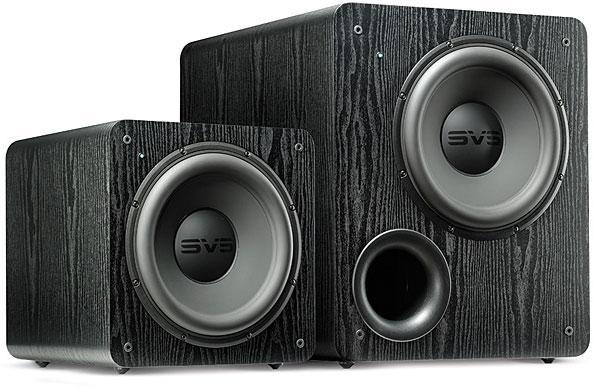
A: That depends on what kind of listening experience you’re looking for. A big sub with a 15-inch driver should easily deliver deep bass extension and powerful dynamics. On the other hand, with two (or more) subs—even ones with smaller drivers—you can expect smoother, better-defined bass over a wider range of listening positions in your room.

Why? Standing waves. The interaction of the subwoofer’s output with your listening room creates modes that boost bass at certain frequencies, and cancels it out at others. Adding a second sub will help to even out those response peaks and dips. Also, a single sub can usually be localized by ear—something that isn’t the case when using two or more subs.

A few years ago, Sound & Vision published a listening comparison entitled Subwoofers: 4, 2, or 1? that attempted to gauge the sonic differences when listening with one big sub and multiple smaller subs. The tests used the same material to evaluate a single unit with a 15-inch driver, two 12-inchers, and four 8-inchers. The result? The 15-incher delivered the most authoritative low end, but its pitch definition was left wanting compared with the smaller sub configurations. It also found that while the quartet of 8 inchers failed to deliver muscular bass, the 12-inch pair was nearly as impressive as the 15-inch sub on that front. This lead the tester, Brent Butterworth, to conclude: “Two 12-inch subs in the front corners of the room is a damn good compromise for lots of situations.”

So, if you’re looking for brute bass power and the lowest possible extension, go the 15-inch route. But a pair of good 12-inch subwoofers can get you close to the same experience—and also deliver better—balanced bass. Oh yeah—to connect them to a receiver, just use a Y-splitter cable adapter plugged in to the receiver’s subwoofer output.

Saturday, July 19, 2014

Sonos Brings SoundCloud Home


This post brought to you by our friends at Sonos.
Nothing should stand between you and the music you love and want to discover. And the closer we can connect you to all the music on earth, the more we deliver on our mission to create the best experience with music at home. Period.

Today we move another step closer to fulfilling that promise as we welcome an exciting new partner to the Sonos world of music –SoundCloud.

SoundCloud enables millions of listeners around the globe to discover original music, connect with each other and share their own sounds – from unknown artists putting their first demos into the world from their bedroom, to bands debuting their latest singles, to podcasters, comedians, news outlets and more.

Together, we’ve partnered to bring you closer than ever before to the world’s largest community of sound creators – the way they want you to hear it.

A global connection to a world of sound, now playing on Sonos everywhere

With SoundCloud, we bring Sonos customers in every country around the world a truly global experience, all at once, connecting you to a unique, expanding library of music and audio.

Original sounds from artists and creators, unleashed to your home the way they were meant to be heard

With 12 hours of music and audio uploaded to SoundCloud’s platform every minute, Sonos expands your world of listening by freeing those sounds from computers and devices, giving millions of homes a direct way to stream to HiFi speakers.

Easy discovery without limitations

With SoundCloud’s ever-expanding library of new and established artists on Sonos, you can easily discover unique music and audio. Use Universal Search on the new Sonos controller app to stumble upon music from your favorite artists on SoundCloud that you may never have heard before.

Try SoundCloud’s free service in beta on Sonos now by visiting ‘Add Music Services’ in the new Sonos app and dive into a world of new music.

For more information on this, please visit sonos.soundcloud.com.

- See more at: http://blog.sonos.com/news/sonos-takes-soundcloud-home/#sthash.Odfw16QD.dpuf

Home Theater: A Great Place to Start Automating

Home Theater: A Great Place to Start Automating: audio/video, home automation, home theater, lighting control, shade control,

This post brought to you by our friends at Control 4.

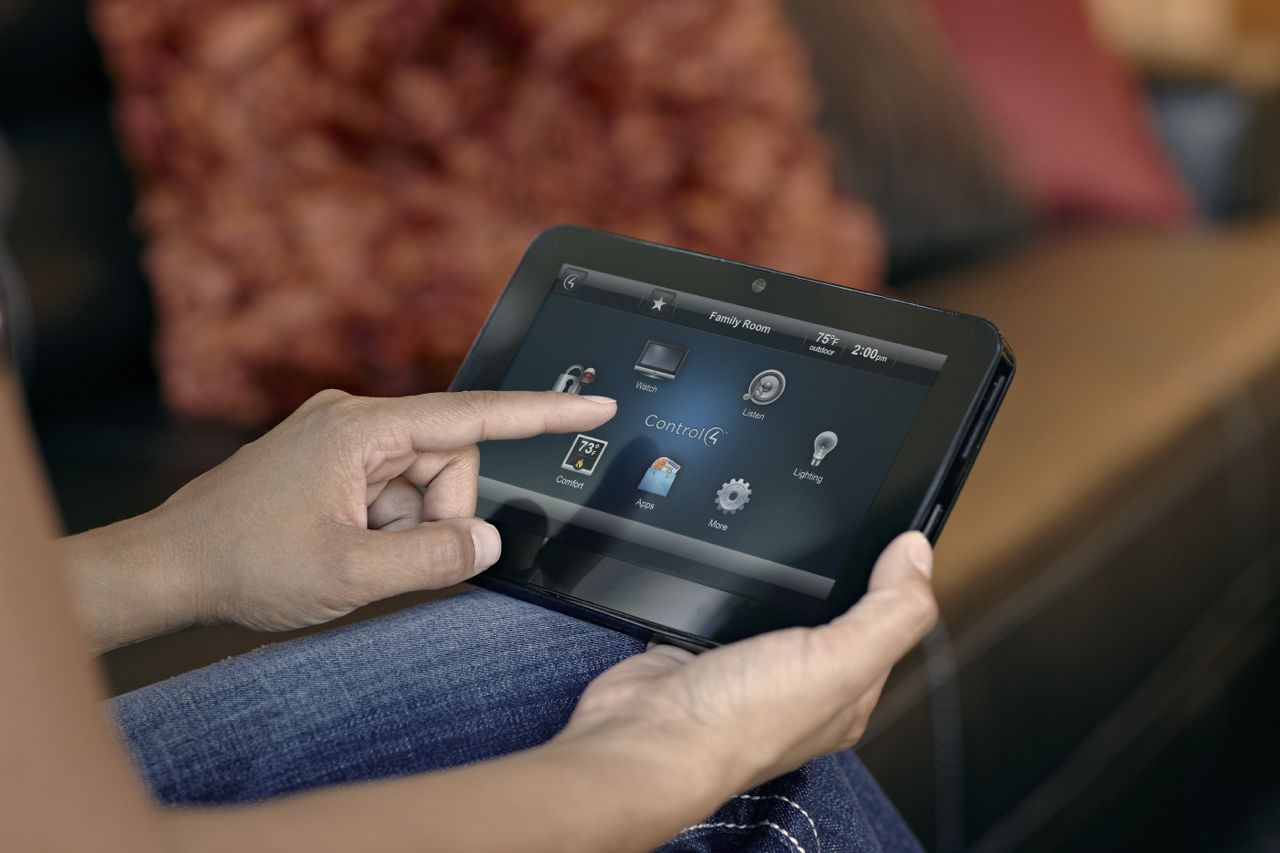
The thought of placing your entire house under the command of a single home automation system can seem like a daunting task. And in some cases, it can be. Whether your home is in the process of being built or is already completely finished, its layout and your budget can all influence the difficulty of the design and installation of the processors, wiring and other components that make up a control system. Fortunately, manufacturers like Control4 offer solutions that allow you to add home automation gradually, one component at a time, as you deem necessary and financially wise.

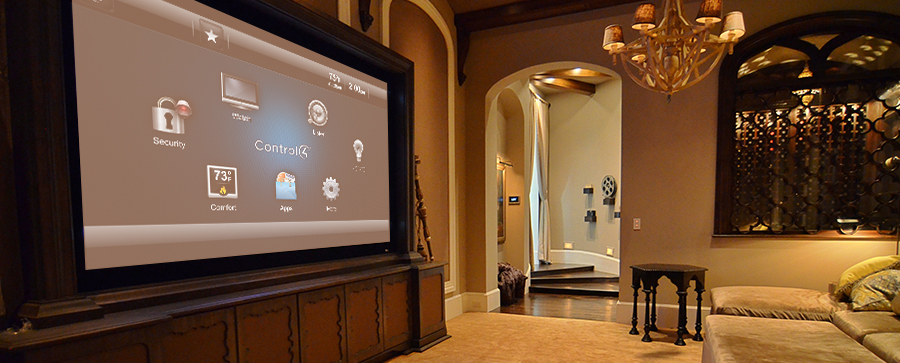
A natural place to begin your automating is in the home theater or media room. Here, you can consolidate the controls of every piece of A/V equipment into a single menu on an iPad, a touch screen or the buttons of a handheld remote. A “Movie Time” command issued by these devices is received by the home theater’s home automation processor, which is able to translate the command into signals that each piece of A/V equipment can understand. Beyond this capability, the processor can manage the settings of the room lights; for instance, dimming them as the A/V receiver activates. It can also tell a motorized roller or track to close the shades or drapes over the windows.

These features can provide you with a good sense of what home automation is about. You’ll be able to get familiar and comfortable with the system, and when you’re ready, expand into other rooms or weave in the control of other types of devices with confidence and without breaking the bank. And don’t worry too much about the labor involved. A few additional pieces of hardware and a tweak of the software program by a custom electronics professional will likely be all that’s required to broaden the scope of a home theater-based automation system.

See how this Florida homeowner with a penchant for high-powered audio experiences transformed his home theater into a full-blown home automation systems that would fulfill any audiophile’s wildest dreams: Control4 Puts Audio Power in the Palm of the Hand

Getting Your Control4 System to Adapt to You


Getting Your Control4 System to Adapt to You: audio/video, home automation, internet of things, lighting control,


This post comes to us from Lisa Montgomery, Senior Editor at Electronic House and freelance home technology writer.

One of the biggest mistakes we as tech consumers make is trying to force ourselves to adapt to the electronic systems in our homes. Shouldn’t it be the other way around? Shouldn’t technology adapt to the way we live? Yes and yes.

Thanks to a huge influx of connected devices, also known as the “Internet of Things,” it’s become possible to easily modify automation systems to our ever changing routines, habits and expectations. And after the initial install by your Control4 dealer, you won’t always need to schedule a house call to do so. Control4 has developed software that enables homeowners to perform minor modification to their automation system. Is the kitchen light in the “Good Morning” scene that your dealer setup too bright? You can easily dim that light and make that change to the “scene” from a Control4 touch screen or with a few clicks of a mouse on your computer. Or maybe you’d like to create a completely new automation routine, like having your favorite playlist automatically play in your bathroom ten minutes after your morning alarm goes off. That’s possible, too. With access to the software, you’re free to experiment and explore, to customize and personalize, to help the system adapt to the way you live.

When you’re ready to expand, your dealer can add an electronic door lock, motorized track for your window drapes or a smart thermostat, and you’ll know that you’ll always be able to adjust their settings to suit whatever schedule or routine you happen to be following at the moment.

A Winning Combination


A Winning Combination: handheld remotes, home automation, keypads, portable touchpanels,


This post comes to us from Lisa Montgomery, Senior Editor at Electronic House and freelance home technology writer.

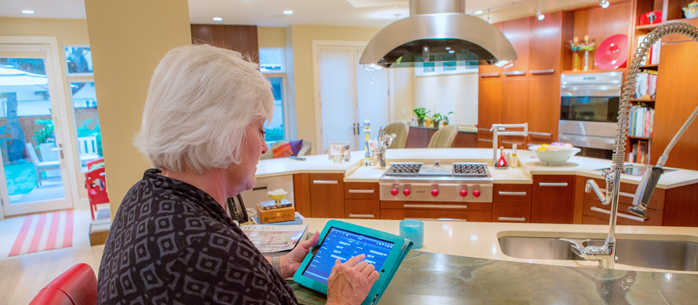
You might think that using an app on your iPad to operate the electronic devices in your home is convenient…and it is. Sometimes. There’s no doubt that the iPad is a great device from which to manage a home, but for many families, using a combination of different types of controllers is often a better solution than sticking strictly with a mobile device. Be sure to also consider integrating wall-mounted keypads, portable touchpanels and handheld remotes. Here’s why:

Keypads:
Unlike mobile controllers that float around the house, wall-mounted keypads are always in the same spot. Stationed to the wall, they never get lost between the cushions of the couch or lose battery power. Keypads are ideal controllers for quick, on-the-spot adjustments of lights and motorized shades. They’re also effective at minimizing wall acne, as one keypad can usually do the job of what might have required four or more independent light switches to accomplish.

Portable Touchpanels:
On the surface, a portable touchpanel may seem a lot like an iPad, where graphical icons and menus guide you through the control options. However, unlike an iPad which might also be used to store photography, download music and watch movies, a touchpanel focus on one thing and one thing only: controlling the electronic devices in your home.

Handheld Remotes:
Many people prefer the tactile feel of buttons over icons on touchpanels and tablets to launch commands, particularly to the A/V equipment of a home theater. Handheld remotes are ideally suited for media rooms and home theaters for adjusting the volume and playing and pausing a movie. With some programming, a handheld remote can provide couch-based control over the media room’s lights.

Saturday, October 26, 2013

The Digital TV Endgame: 10-Year Transition to All Things IP

iptv640While Internet TV is already technically feasible, commercial challenges are keeping it from becoming a mass-market reality. Services like Hulu, YouTube and Netflix are helping turn online video into a viable substitute for broadcast television, but the Internet still has a long way to go. Industry insiders often talk about being four years into a 10-year transition, so what will the next six years look like as online distribution increasingly eats away at the broadcast TV market? Who will be the winners and losers in this new world? What technology needs to be invented, what deals need to be struck, and what existing commercial relationships need to be upended?

Then and Now

Everyone remembers how Napster sparked a collision between the music industry and the Internet that forever changed how people consume music. Buying a physical CD in-store quickly became a thing of the past, and today we stream music on-demand, over the air, from digital services like Spotify or Songza. A similar transition is happening in television. Platforms like Hulu and Roku are melding video with online distribution, disrupting traditional cable/broadcast consumption and making it faster and more convenient than ever before for viewers to watch their favorite shows. Most importantly, consumers are increasingly taking advantage of these new platforms. In the last 12 months, 1.8 million Americans have cut the cord and unsubscribed from cable TV, according to a recent study by research firm SNL Kagan. This represents a 3.1 percent drop in cable subscribers, and the trend continues to gain momentum despite the limited availability of premium sports or prime-time entertainment shows on digital platforms. As more of this content becomes available online, expect to see cable subscriber losses accelerate as consumers enjoy the benefits of a digital user experience combined with full access to their favorite shows and sports.
But it’s not just a question of content availability. Online distribution actually represents a superior product from a user-experience standpoint. With content parity, there seems little doubt users would migrate to digital TV even faster. Traditionally, television has been a broadcast (one-to-many) medium. A station broadcasts a single show, at a specific time, with all viewers seeing the same content and ads simultaneously. By contrast, online video is a one-to-one medium. Each user connects individually; pulling in the specific content they want, where they want, when they want. Digital platforms enjoy far richer user interfaces, robust search, on-demand content accessibility and multi-device on-the-go access. As well as personalizing content, advertisers are also embracing this one-to-one relationship with viewers. This new, individualized experience enables ads to be delivered based on user preferences, search history and interests, enabling advertisers to reach consumers in a far more targeted (and hence relevant/effective) way. Eventually, this may even reduce the numbers of ads viewers are subjected to, as advertisers get more efficient at targeting only the most relevant audiences for their products. All this was impossible in the old broadcast world.
With so many benefits to Internet delivery, one would wonder why all TV isn’t delivered this way. The challenge has far less to do with technology, and far more to do with existing business relationships and commercial interests. Existing broadcasters, cable companies and content producers enjoy the status quo … the TV business is good, why rock the boat? Affiliate fees (the revenue share on viewer subscriptions paid by cable companies to the content owners) are a $32 billion income source, and are the primary revenue stream that funds TV content development. Thanks to bundling, content owners like Disney and Viacom are able to make more money than if consumers cherry-picked individual channels or shows. The TV industry, at all costs, wants to avoid a repeat of the iTunes model — one in which consumers can purchase individual songs a la carte, eliminating the need to purchase the full album.
Additionally, because of the scale of these relationships, it’s almost impossible for new companies to enter the market with competing services. Each year, DirecTV pays the NFL $1 billion for exclusive rights needed for its NFL Sunday Ticket package. But, with more than 20 million subscribers and $30 billion of annual revenue, it’s a price DirecTV can afford to keep its subscribers loyal. The fact that it also erects a substantial barrier to entry for any new digital-MSO competitor is a much-appreciated secondary consequence. Even if a startup could create a more intuitive, on-demand IP-based service, would subscribers migrate if the content they wanted were not available? A handful of digital-native companies have the deep pockets needed to take the plunge and buy the content rights needed, but they will face many years of substantial losses on content as they build their subscriber bases.

What Now?

The prize will be substantial for the company that can overcome these challenges and launch a successful IP television business. By combining the world’s best content with an intuitive digital user experience, companies will bring television into the 21st century. In the last month alone, we’ve seen more than a dozen major steps taken by large media companies to fulfill this vision:
  • Time Warner Cable just announced that over the next year it would be eliminating the need for its 15 million deployed set-top-boxes to move toward a software solution that can be licensed to third-party devices like Roku and Xbox.
  • ESPN president John Skipper was quoted as being open to deals with IP video services — so long as they bought/paid for packages comparable to those offered by traditional MSOs.
  • Companies like Intel, Apple and Google are actively working on connected-TV offerings, in addition to their current robust set-top boxes. These companies not only have the best resources to produce these smart devices, but also have the user base and, most importantly, the money to make exclusive partnerships happen.
  • Dish recently announced Dish Digital, an IP-only subscription package, similar to Aereo, Netflix and Hulu, that essentially competes against its core business. A bold/risky yet perhaps insightful move in understanding how real this shift to digital consumption truly is.
Each week, there appears to be a new story hitting the press about the ways in which the Internet is reshaping the future of television; making it one of the most exciting, but potentially challenging, periods in the history of the TV industry. Unlike music and newspapers before it, the television industry has been able to benefit from the lessons learned by those who faced the Internet challenge. While those lessons from history may ease the transition, they don’t lessen the deep impact that IP distribution is having. TV networks are faced with the challenge of adapting to new ways of distributing content to their consumers and building new, more direct relationships with their viewers; all without destroying strategic business relationships that provide the essential revenue they need to operate and invest in new content development. While this challenge is no doubt fraught with risk and complexity, the outcome at this point seems inevitable. Consumers want the benefit of access to content on demand anytime and anywhere, advertisers value the precision targeting and measurement of digital, and even MSOs are beginning to see the benefit of delivering more interactive, engaging experiences to their subscribers. The digital endgame has taken a long time to arrive, but it’s now closer to a reality than ever before.
Mark Trefgarne is chief executive officer and co-founder of LiveRail.

Friday, May 10, 2013

The next generation in lighting control has finally arrived.

Control 4's lighting control solutions have been a big hit for quite some time. They are reliable, affordable and  offer a simple solution to managing the dozens of lights in the typical modern home.

Now Control 4 has significantly upped their game with a new generation of lighting products. These dimmers and keypads handle all the latest lighting technologies such as LED and do it with much more flexibility and panache. Face plates now feature a nicer fit and finish, back lit button labels, flexible button layouts and a wide palate of new finishes including cast metal.

On the software side, customer adjustable lighting scenes are now available along with more intuitive interfaces on their smart devices.

Control 4's lighting products have always been among the best in the industry. This latest generation puts them at the pinnacle in providing safety, comfort and convenience to their customers. Watch this short video to see the wide variety of button styles and finishes now available.

The iPod dock reinvented

As great an innovation as iPod docks were, they are going by the wayside as Apple and other device manufacturers embrace wireless connections. Control4 has just announced a small device called a wireless music bridge that will let you play all of the content on your smart devices through every speaker in your house. Check it out in this 30 second video.


Control 4 adds TuneIn internet radio service to their systems.

Control 4 has a great new internet radio application built into it. With the latest Control 4 software release clients can access virtually all of the worlds radio stations and pod-casts throughout their homes. Here is a really quick video that explains it all.


Wednesday, May 9, 2012

The Many Benefits of Lighting Control - Quickly Explained.

Of all the products we sell to make people's homes more enjoyable, lighting control is probably the most universally appreciated. Its only the difficulty of explaining it that makes it less popular than it should be. The following short video does an excellent job of explaining its many benefits. Enjoy !


Thursday, April 26, 2012

Wal-Mart Launches Vudu Disc-to-Digital Store Program: Here's How It Works


By Matt PeckhamPCWorld
Want to turn your bulging library of digital video discs into high-definition video streams that you can access anytime without spending a fortune?
Walmart claims it has the answer: The company's rolling out its disc-to-digital movie store conversion program today, allowing you to bring supported DVD or Blu-ray discs--the company's joined hands with several Hollywood studios--to any Walmart store and unlock access to a streaming version of the video through Vudu.com, Walmart's digital content delivery service.
Here's how it works: You bring your physical DVDs or Blu-ray discs to a participating Walmart store, then pay $2 per disc to access the streaming equivalent through Vudu on supported devices, including computers, tablets, smartphones and game consoles--basically anything that supports Vudu.
Blu-ray users automatically convert to the high-definition version of a video, but standard-definition DVD owners have the option of paying $5 (instead of $2) to up-convert to the HD version. Out of the gate, the service offers over 4,000 titles, and it's available in about 3,500 stores.

Burning Questions

But wait, do you get the same deal if your video disc is scratched? How many discs can you have converted at once? Can you keep the disc? If yes, what's to stop customers from passing discs around to friends? How about bulk-conversion discounts?
I called Walmart to get answers, and was told the first you'll need to create both a Vudu.com and UltraViolet account (the latter is the movie industry-led digital rights management process for converting discs to digital versions).
Once those two accounts have been linked, Walmart says you can bring your DVD or Blu-ray in for conversion, at which point a Walmart rep--typically located in each store's photo section--will ask for the email address associated with your Vudu account.
Next, you select whether you're after the $2 SD or $5 HD version--the Walmart rep confirms you can't have both, which is unfortunate for HD buyers who want an SD alternative on devices with low bandwidth or data-caps.
Assuming what you want is part of the program--so far, the Hollywood studios that are participating are Dreamworks, Fox, Paramount, Sony, Universal and Warner Bros.--your order's processed, and the Walmart sales associate stamps the inner ring of your disc with a label before handing it back over. This is to prevent you or anyone else from using it for conversion again. Note that movies with "extras" discs may or may not be fully converted--Walmart says support for extra media is at the discretion of each studio.
In theory, says Walmart, there's no limit on the number of discs you can convert at once. I'm assuming the company is betting that most people won't haul hundreds of discs in at once, though if enough people do, I'd wager limits will magically appear. Sadly, bulk conversions won't come with discounts, meaning someone with a moderate collection of 100 DVDs will spend $200 for a straight conversion and an incredible $500 for an up-conversion.
And since there's no physical conversion taking place, i.e. Walmart's just verifying that you own the discs and is unlocking access to already-in-place digital copies, you could argue the whole affair's just a stunt to get customers to pay yet again for content they already own. A wiser, more consumer-friendly move would have been to charge a monthly Vudu access fee, ala Netflix, and let consumers convert for free.
And when it comes to scratched discs, the Walmart rep told me he wasn't sure if Walmart has a policy against accepting them for conversion, since the company is merely verifying each disc is legit and not a rental, but told me that's probably left to the discretion of the sales associate. And lastly, yes, the videos are yours to view indefinitely...so long as Vudu and Walmart stick around.
I sold my 100-plus DVD video collection to a wholesale buyer online over a year ago when I signed up with Netflix and made a fair lot of money. If the prospect of paying for Walmart's disc-to-digital program doesn't appeal to you--depending on whether services like Netflix, Hulu and Amazon offer the TV shows and movies you're interested in--you might keep that in mind as an alternative.

Monday, February 27, 2012

How to: Building a Whole-House Guitar Distribution System

"If you love playing guitar, why not be able to enjoy the music in every room of the house? That’s exactly what home systems integrator Joe Whitaker was after when he engineered a “whole-house guitar distribution” system in his St. Charles, Mo., home."

Friday, February 24, 2012

Is your TV big enough?

"Since televisions are measured diagonally, it’s worth knowing that, say, a 70-inch television is going to measure 61 inches wide and 34 inches high. Finding room for something like that is going to be harder than picking a spot for that “Real Genius” movie poster you bought online."
http://www.nytimes.com

Wednesday, February 22, 2012

Tired of dirty Baseboards?


"Even though my house might not reflect it sometimes (hey, I'm human too), I actually greatly enjoy cleaning. That said, I loathe cleaning baseboards. Sure to do them right it involves buckets and cleaners, rags and... ugh. Just ugh.
Forget all that drama and do this less than desirable task far less with the help of a fabric softener sheet." 

Friday, February 17, 2012

Presidents Day Weekend Getaway Guide « CBS New York


 Presidents Day Weekend Getaway Guide
Presidents Day means more than a 3-day weekend and department store sales. Some of the best celebrations of our country’s earliest leaders take place over the weekend, and the extra day off from work means you can travel to some of the most historic sites in America – Philadelphia, D.C., and Virginia.
Check out our planes, trains and automobiles guide and transportation links to help you plan and book your weekend getaway.For the rest of the article click this link!:   Presidents Day Weekend Getaway Guide « CBS New York

Wednesday, February 15, 2012


TIME'S best blogs a hamburger today


At first blush, America's favorite sandwich might seem like a limiting subject for a blog. But for more than six years, the hungry people at Serious Eats' A Hamburger Today have been showing that it's an infinite wellspring of inspiration. They review new burgers (usually, but not always, composed of beef) and keep tabs on news from local joints, up-and-coming chains like Smashburger and the Hardee's and Jack in the Boxes of the world. If you have a strong opinion on the question "Are onion rings an acceptable burger topping?" you'll feel right at home here.

Sunday, January 15, 2012

DIRTFT Redux

DIRTFT (dirt foot) - Do It Right The First Time

So this is a follow up on my last post - the one about the woman who had a balky home control system because the original installer tried to save her some money.

I fixed her issues by rearranging her equipment to make the best use of the available resources. Its now working fine but at what cost?

1) My charges to repair it added another 10% to the total cost of the system.
2) Some of the features that were originally promised had to be abandoned.
3) The original installer is despised by both the client and the builder that brought them together.
4) The original installer spent all of his profits in unpaid service trying in vain to make it work.
5) The reputation of the equipment manufacturer and our industry in general suffered.
6) The original installer lost two sources of referrals for new work.

All because of a failed attempt by the installer to 'help' with a low price.

There is a saying that no good deed goes left unpunished and while its a cliche and not always true, it does bring up the risks of putting yourself 'out there' to help someone. Doing good is not without risks but the rewards are great precisely because so few people ever go out of their way to truly try and help. BUT, when you do try to help, you have to do it right.

In the end, its not the price of a product that makes someone happy, its their satisfaction with how it works. Deliver a great product to begin with and then 'put yourself out there' by taking an interest in the client's well being AFTER the sale. If something is not right, make it right - with no questions asked and without charge.

Its so rare that a company (or individual) goes the extra mile after the 'sale' that such care will be remembered far longer than any discount up front.

The moral? Stand by your employers, employees, family and friends even AFTER they have 'paid' you. Your uncommon fortitude will not be soon forgotten...